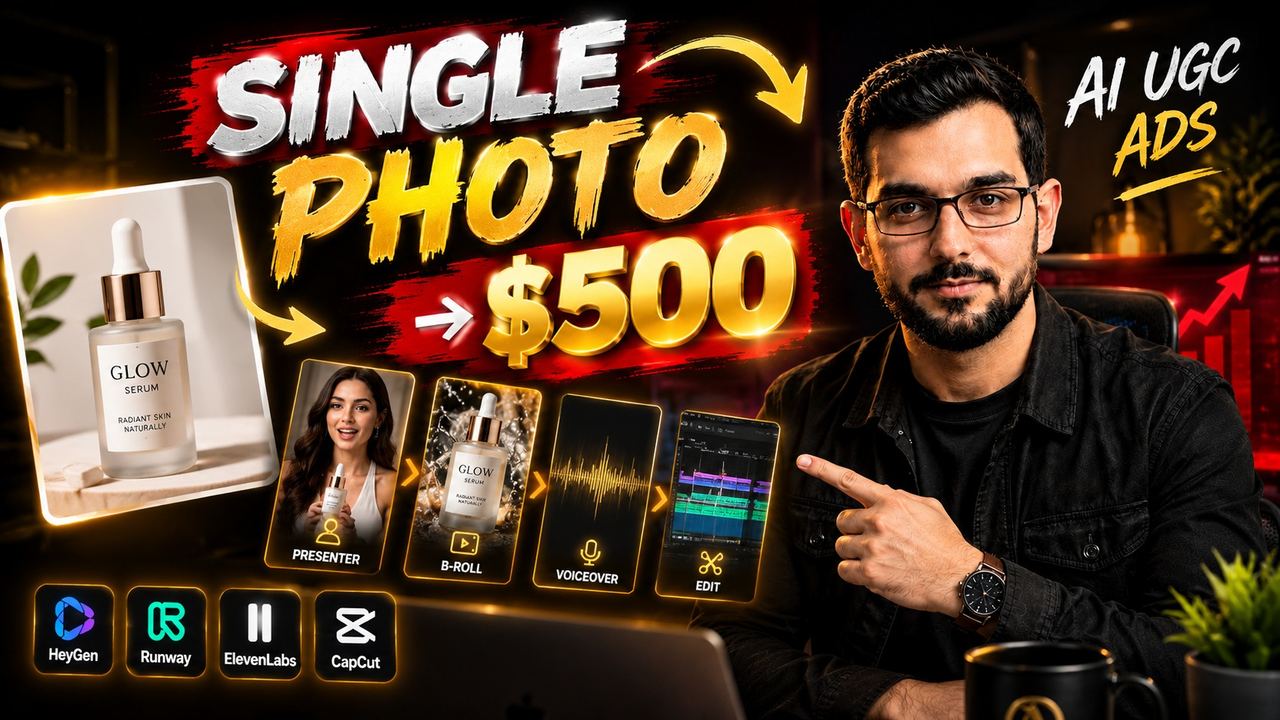
AI UGC Ads: How Creators Make and Sell Product Ads From a Single Photo in 2026

Brands used to hire actors, rent studios, and shoot for days to get one product ad. In 2026, they pay creators who can make the same ad from a single product photo using AI. No studio. No actors. No big budget. This is one of the most sellable AI skills right now, and here is the full workflow.
What brands are actually buying
They are not buying "AI videos." They are buying finished ad creative that looks like it cost thousands to produce. A thirty second product ad with a realistic presenter, product close-ups, and clean editing. The fact that it was AI generated is your production advantage, not the selling point. Sell the result, not the process.
The 2026 AI UGC workflow
Step 1: The product photo. Everything starts here. Ask the client for clean product shots on simple backgrounds, or shoot them yourself with a phone. Good lighting matters more than an expensive camera. AI cannot invent detail that is not in the source image.
Step 2: Generate the presenter. Tools like HeyGen, D-ID, and newer avatar generators create a realistic on-camera presenter from a photo or a text script. Pick a presenter style that matches the brand: friendly for lifestyle products, polished for premium ones.
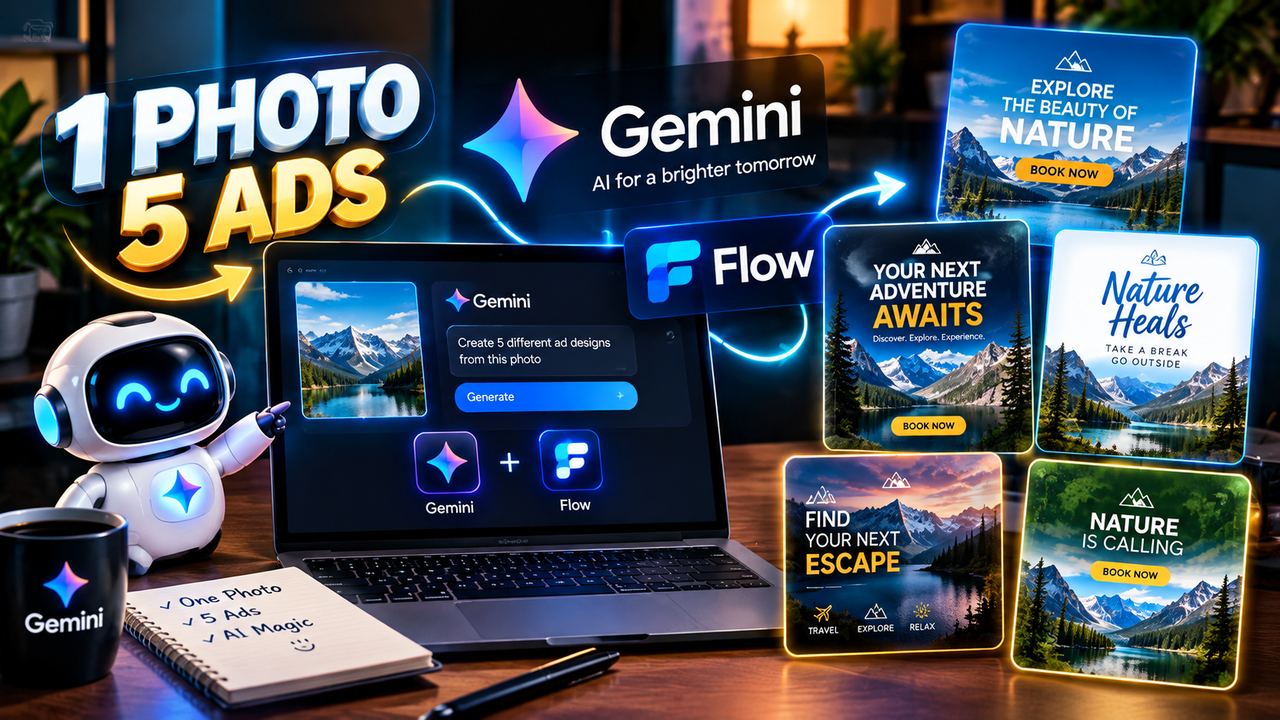
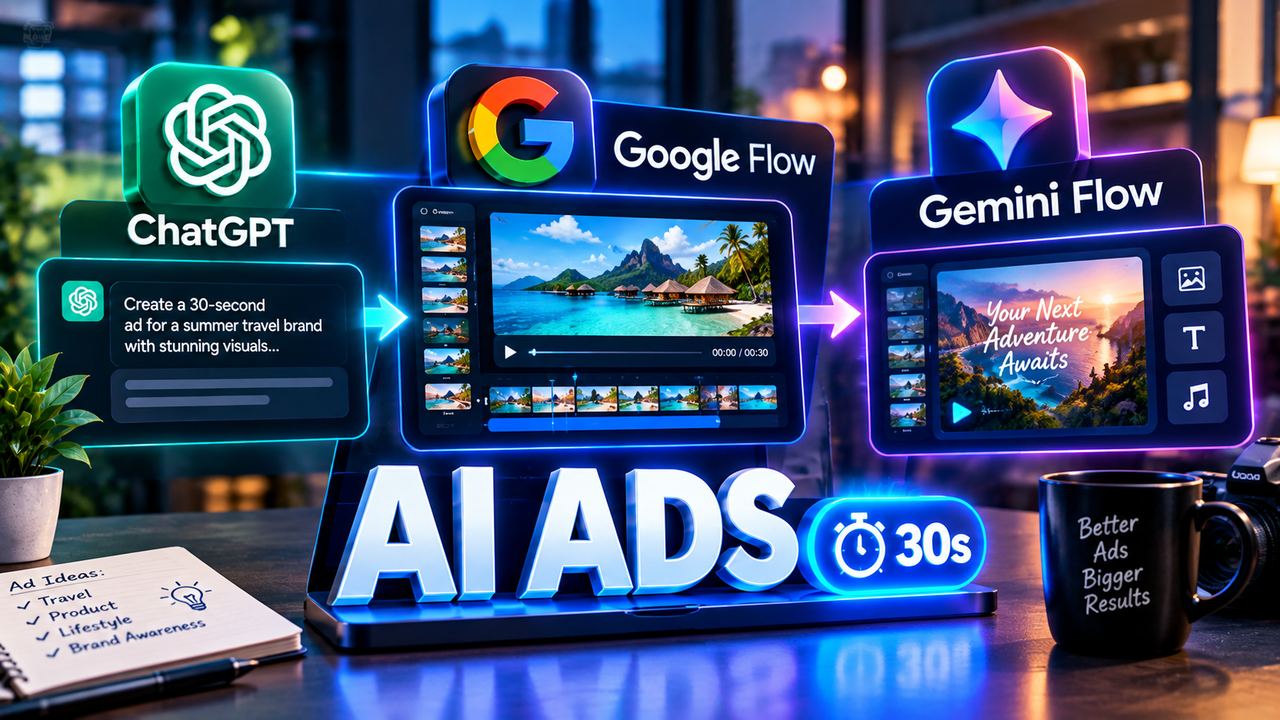
Step 3: Generate product B-roll. Use image to video tools like Runway, Pika, or Google Flow to animate the product photo: slow rotations, steam rising, fabric moving, cinematic camera pushes. Generate short clips, four to eight seconds each, and keep only the best takes.
Step 4: Voiceover. AI voice tools have crossed the uncanny valley for short ad reads. Write a tight script, thirty to sixty words for a thirty second spot, and generate the voiceover. Match the energy to the brand.
Step 5: Edit it like a real ad. Assemble in CapCut or Premiere: hook in the first three seconds, product beauty shots, presenter segments, text overlays, and a clear call to action at the end. Pacing is everything. Cut ruthlessly.
The tools stack that works
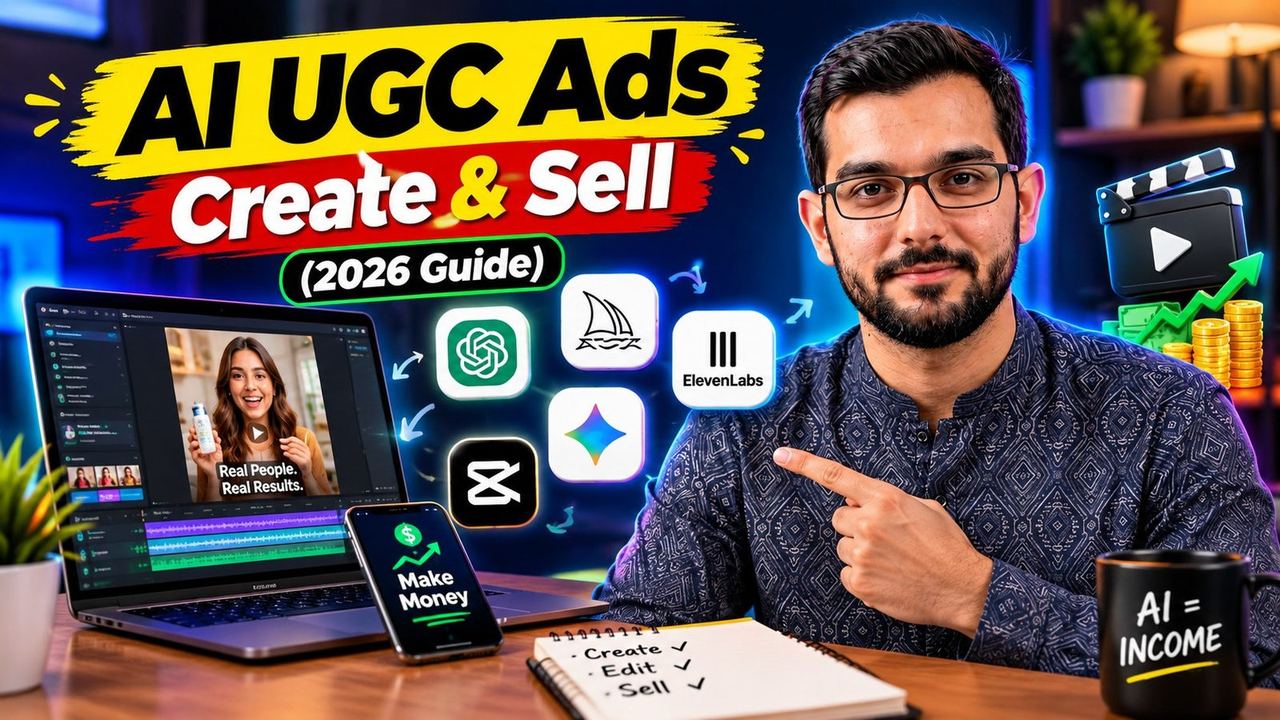
You do not need all of them. A working stack is one avatar tool, one image to video tool, one voice tool, and one editor. Learn four tools deeply instead of twenty shallowly. Clients pay for reliable output, not your tool collection.
How to sell it
Package it as a product, not hours. "Three AI product ads, delivered in five days, two revisions included" sells better than "video editing at $X per hour." Fixed packages remove pricing anxiety for small brands.
Lead with samples. Make two or three spec ads for imaginary or real products in a niche you want to serve: skincare, gadgets, fashion. Post them everywhere. Your portfolio is your sales team.
Price on value. A brand that would spend $2,000 on a shoot will happily pay $200 to $500 for an AI ad that looks comparable. Start in that range, raise prices as your samples improve. The creators winning here are not the cheapest. They are the ones whose ads look expensive.
Find clients where they already buy. Small DTC brands on Instagram and TikTok, Amazon sellers, local businesses running Meta ads. They already spend on creative. You are offering the same outcome at a fraction of their current cost.
Why now
Two things changed. First, the quality crossed the threshold where AI ads are genuinely hard to distinguish from shot ads in short formats. Second, brands got comfortable buying AI creative. The stigma is gone. What remains is demand, and there are not enough creators who can deliver reliably.
Learn the workflow. Build the samples. Sell the outcome. That is the whole business.
Need help with your content?
I provide professional video editing, YouTube, Instagram and TikTok thumbnail design, AI content creation, UGC ads, social media growth support, and YouTube channel and complete brand packages.